In the pharmaceutical industry, packaging is not simply a final production step—it is an essential part of product safety, regulatory compliance, and patient protection. Every bottle used to store tablets, capsules, syrups, or liquid formulations must meet strict quality standards to preserve product integrity and ensure safe consumption.
For pharmaceutical manufacturers, choosing the right bottle packaging is a critical business decision. It directly impacts product stability, shelf life, transportation efficiency, and regulatory approval. A poorly selected packaging solution can result in contamination risks, reduced efficacy, compliance failures, and financial losses.
This guide explores the key aspects of pharmaceutical bottle packaging, including compliance requirements, material selection, safety standards, and best practices for B2B manufacturers.
Why Bottle Packaging Is Critical in Pharmaceuticals?
Unlike standard consumer products, pharmaceutical products are highly sensitive to environmental exposure. Factors such as moisture, oxygen, light, and temperature fluctuations can compromise medication effectiveness.
This is why pharmaceutical bottle packaging must provide:
- Product protection
- Tamper evidence
- Child resistance
- Accurate dispensing
- Regulatory compliance
- Product traceability
For manufacturers, packaging is part of the product’s quality assurance system, not just its delivery system.
The Role of Compliance in Pharmaceutical Bottle Packaging
Regulatory compliance is one of the most important factors in pharmaceutical bottle packaging.
Packaging must meet national and international standards to ensure:
- Product safety
- Consumer protection
- Stability throughout shelf life
- Correct labelling and traceability
Key Regulatory Standards Include
1. FDA Compliance
In the United States, the U.S. Food and Drug Administration regulates pharmaceutical packaging materials to ensure they are safe for drug contact.
Requirements include:
- Material safety validation
- Product compatibility testing
- Child-resistant closure compliance
- Tamper-evident systems
2. Good Manufacturing Practices (GMP)
World Health Organization GMP guidelines ensure bottle packaging is manufactured in hygienic and controlled environments.
This includes:
- Cleanroom manufacturing
- Quality control checks
- Batch traceability
- Contamination prevention
3. Child-Resistant Packaging Regulations
For prescription medications and hazardous products, bottle packaging often requires child-resistant closures to prevent accidental ingestion.
These closures must remain accessible to adults while limiting access for children.
Materials Used in Pharmaceutical Bottle Packaging
Selecting the right material is essential for protecting product quality.
Different medications require different packaging properties depending on sensitivity and formulation.
1. HDPE Bottles
High-Density Polyethylene (HDPE) is one of the most widely used materials in pharmaceutical bottle packaging.
Why HDPE Is Preferred
- Strong moisture barrier
- Excellent chemical resistance
- Lightweight and durable
- Cost-efficient for large-scale production
Common Applications
- Tablet bottles
- Capsule containers
- Dry powder formulations
HDPE bottle packaging is particularly effective for products requiring moisture protection.
2. PET Bottles
PET (Polyethylene Terephthalate) is another widely used material for pharmaceutical bottle packaging.
Benefits of PET Bottle Packaging
- High transparency
- Strong impact resistance
- Lightweight structure
- Good barrier performance
Common Applications
- Syrups
- Liquid supplements
- Nutritional products
PET bottle packaging allows product visibility while maintaining structural reliability.
3. Glass Bottles
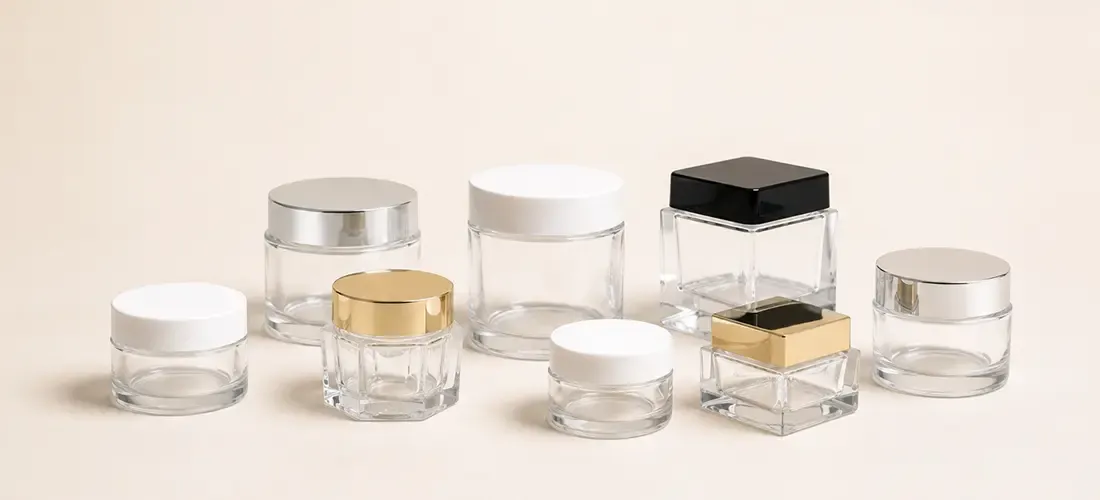
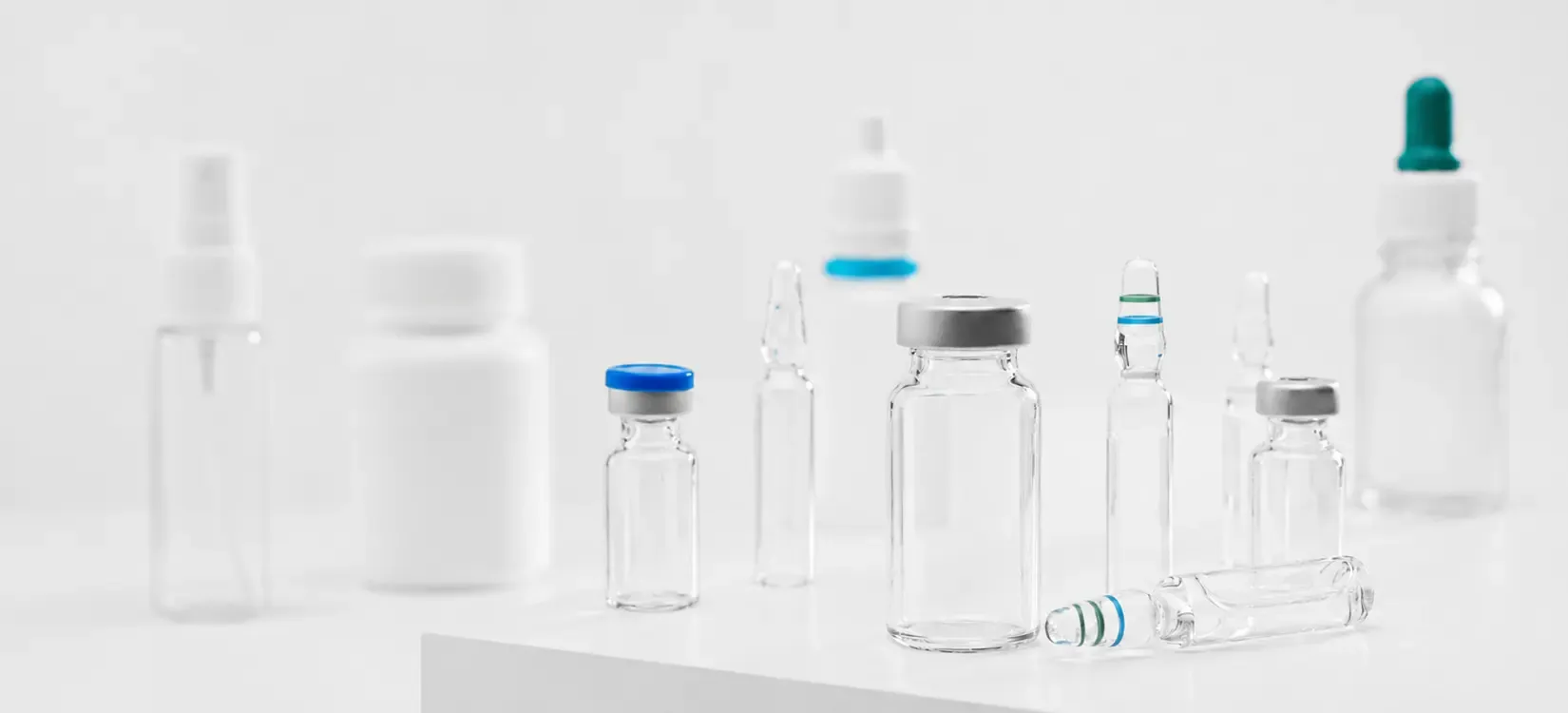
Glass remains an essential material in pharmaceutical packaging, particularly for liquid and injectable products.
Advantages of Glass Bottle Packaging
- Chemically inert
- Strong barrier against oxygen and moisture
- Suitable for sterilisation
- Premium product protection
Common Applications
- Injectable medicines
- Vaccines
- Sensitive liquid formulations
Glass bottle packaging is often preferred when chemical stability is critical.
How Safety Influences Bottle Packaging Selection?
Safety is central to pharmaceutical packaging decisions.
The bottle packaging must protect the medication while ensuring safe patient use.
1. Tamper-Evident Features
Tamper-evident packaging helps consumers identify whether a product has been opened or altered.
Examples include:
- Shrink bands
- Breakable seals
- Safety liners
These features build consumer trust and support regulatory compliance.
2. Child-Resistant Closures
Bottle packaging for medications often includes push-and-turn caps or squeeze-and-turn systems to reduce accidental access.
These systems are especially important for:
- Prescription medicines
- Pain relievers
- Supplements
3. Moisture Protection
Many pharmaceutical products degrade when exposed to moisture.
Bottle packaging solutions often use:
- Moisture-resistant materials
- Desiccant closures
- Tight sealing systems
This ensures product stability over time.
4. UV Protection
Certain medications are sensitive to light exposure.
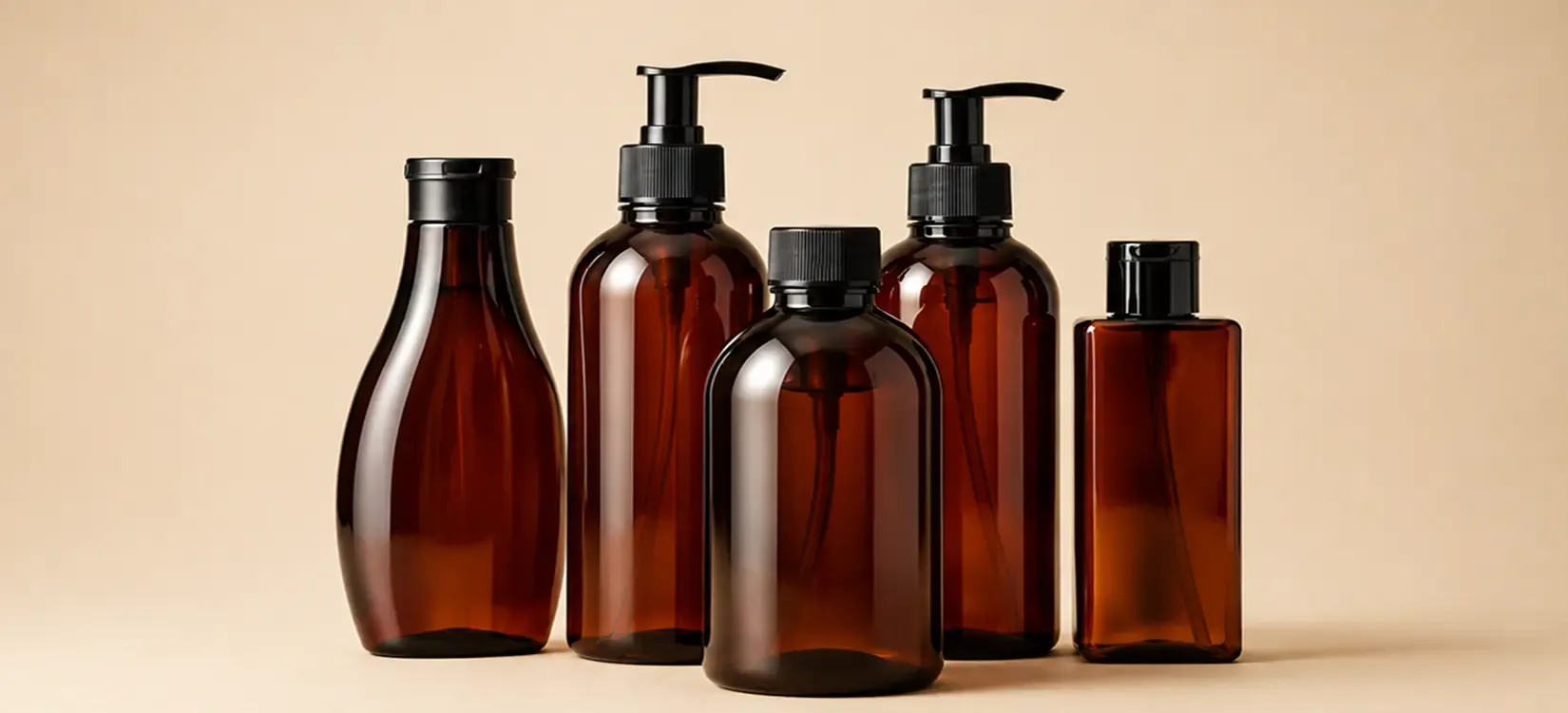
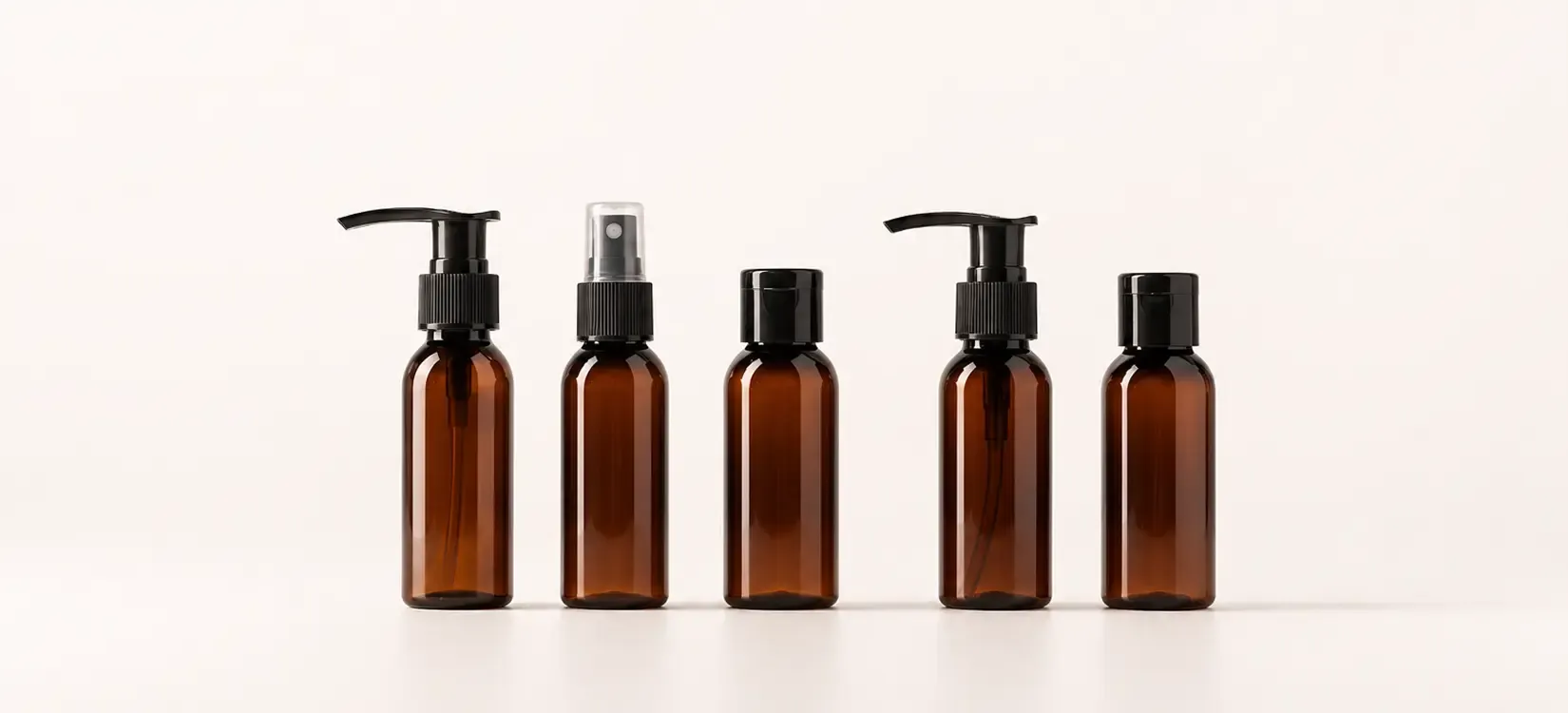
Amber bottle packaging or opaque HDPE containers provide protection from UV degradation.
Bottle Packaging Formats in Pharmaceuticals
Different pharmaceutical products require different packaging formats.
Solid Dose Packaging
For tablets and capsules:
- HDPE bottles
- Child-resistant caps
- Induction seals
Liquid Dose Packaging
For syrups and liquid medicines:
- PET bottles
- Glass bottles
- Measuring caps
Sensitive Formulations
For light-sensitive or high-value products:
- Amber glass bottles
- Air-tight bottle packaging systems
Sustainability in Pharmaceutical Bottle Packaging
Sustainability is becoming increasingly important in pharmaceutical manufacturing.
Companies are exploring bottle packaging strategies that reduce environmental impact while maintaining compliance.
Key strategies include:
Recyclable HDPE and PET bottles
Reduced plastic weight
PCR (post-consumer recycled) content
Reusable transport packaging
Sustainable bottle packaging supports both environmental goals and regulatory expectations.
Key Factors When Choosing Pharmaceutical Bottle Packaging
Before selecting bottle packaging, manufacturers should evaluate:
1. Product Stability Requirements
Does the product require moisture, oxygen, or light protection?
2. Regulatory Requirements
Will the bottle packaging meet all target market compliance standards?
3. Closure Compatibility
Does the packaging support tamper-evident and child-resistant closures?
4. Manufacturing Compatibility
Will the bottle work efficiently on automated filling lines?
5. Supply Chain Durability
Can the packaging withstand transport, handling, and storage?
These considerations ensure packaging supports both safety and efficiency.
How Casepak Supports Pharmaceutical Bottle Packaging?
At Casepak, we understand the complexity of pharmaceutical bottle packaging and the importance of compliance-driven packaging decisions.
Our solutions support:
- Material selection (HDPE, PET, glass)
- Custom bottle packaging development
- Closure system compatibility
- Compliance-focused production
- Scalable supply chain support
We work with manufacturers to develop bottle packaging that protects product integrity while meeting operational and regulatory requirements.
Frequently Asked Questions (FAQs)
1. What is pharmaceutical bottle packaging?
Pharmaceutical bottle packaging refers to bottles designed to store and protect medications while meeting strict safety and compliance standards.
2. Which material is best for pharmaceutical bottle packaging?
HDPE is ideal for tablets and capsules, PET for syrups and supplements, and glass for sensitive or injectable formulations.
3. Why is compliance important in bottle packaging?
Compliance ensures packaging materials are safe, protective, and legally approved for pharmaceutical use.
4. What are child-resistant bottle closures?
These are specialised caps designed to prevent children from easily opening medication bottles.
5. Is pharmaceutical bottle packaging recyclable?
Yes. HDPE and PET bottle packaging are widely recyclable, and glass is fully recyclable.