In the healthcare industry, packaging is not just a functional requirement—it is a critical component of product safety, regulatory compliance, and patient trust. From pharmaceuticals and medical devices to nutraceuticals and diagnostics, healthcare packaging must meet the highest standards of quality, hygiene, and reliability.
Selecting the right material is central to achieving these standards. Whether it is plastic, glass, or an hdpe bottle, each material plays a specific role in protecting products, maintaining stability, and ensuring safe delivery across complex supply chains.
This guide explores the most commonly used materials in healthcare packaging, their applications, and how businesses can choose the right solution for their products.
Why Material Selection Matters in Healthcare Packaging
Healthcare products are often sensitive to environmental conditions such as light, moisture, oxygen, and contamination. Packaging materials must provide strong barrier properties while ensuring compatibility with the product formulation.
For B2B manufacturers, healthcare packaging must also support:
- Regulatory compliance (FDA, EU standards)
- Sterility and contamination control
- Long shelf life
- Efficient manufacturing and filling
- Traceability and tamper evidence
Choosing the right material ensures both product integrity and operational efficiency.
1. Plastic Materials in Healthcare Packaging
Plastic is one of the most widely used materials in healthcare packaging due to its versatility, cost-effectiveness, and scalability.
Common Plastics Used
- PET (Polyethylene Terephthalate)
- PP (Polypropylene)
- HDPE (High-Density Polyethylene)
Advantages of Plastic Healthcare Packaging
- Lightweight and durable
- Resistant to breakage
- Suitable for high-volume production
- Flexible in design and shape
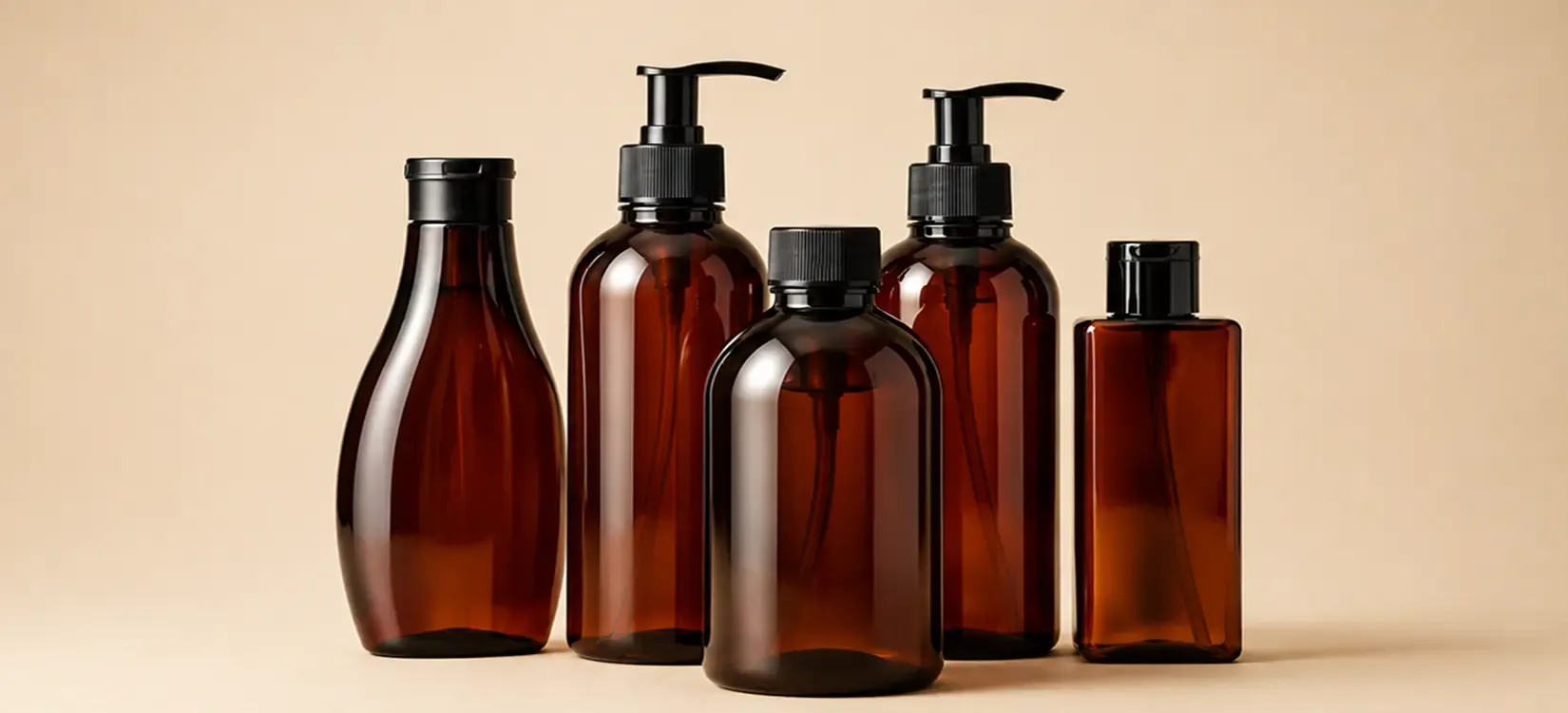
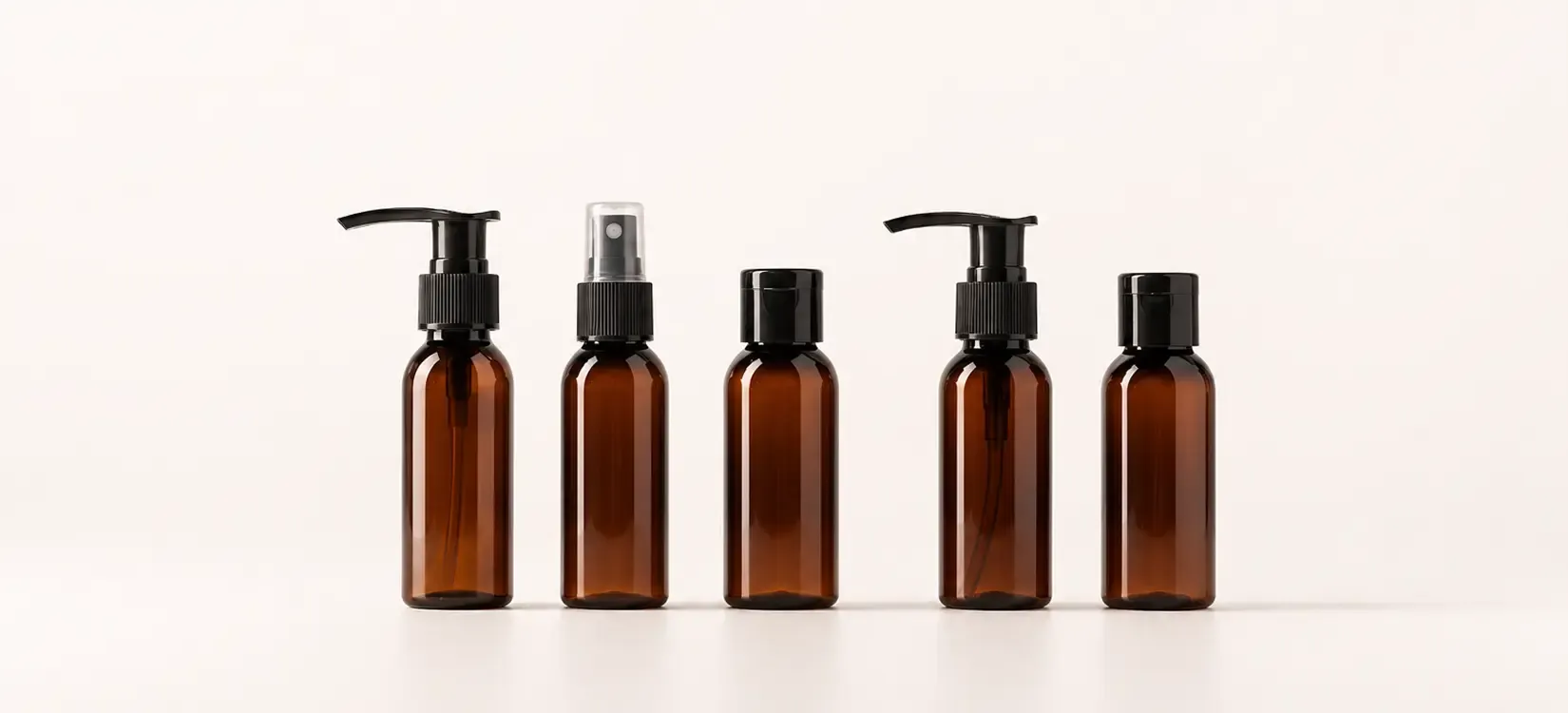
Plastic packaging is commonly used for:
- Medicine bottles
- Syrup containers
- Pill containers
- Diagnostic kits
Among all plastic options, the hdpe bottle stands out as one of the most widely used formats in healthcare packaging.
2. HDPE Bottles in Healthcare Packaging
The hdpe bottle is a cornerstone of modern healthcare packaging. Its durability, chemical resistance, and reliability make it ideal for storing a wide range of pharmaceutical and healthcare products.
Why HDPE Bottles Are Widely Used
a. Chemical Resistance
HDPE bottles can safely store products that may react with other materials, including certain medications and chemical-based formulations.
b. Moisture Protection
An hdpe bottle provides a strong barrier against moisture, helping maintain product stability over time.
c. Durability and Impact Resistance
Unlike glass, HDPE bottles are highly resistant to breakage, making them suitable for transportation and handling across supply chains.
d. Opaque Protection
HDPE bottles can be manufactured in opaque formats, protecting light-sensitive medications from degradation.
Applications of HDPE Bottles in Healthcare Packaging
The hdpe bottle is used across multiple healthcare segments:
- Pharmaceutical tablets and capsules
- Liquid medications and syrups
- Nutraceutical supplements
- Laboratory chemicals
- Disinfectants and sanitisation products
Its versatility makes the hdpe bottle a reliable choice for both primary and secondary healthcare packaging needs.
3. Glass Packaging in Healthcare
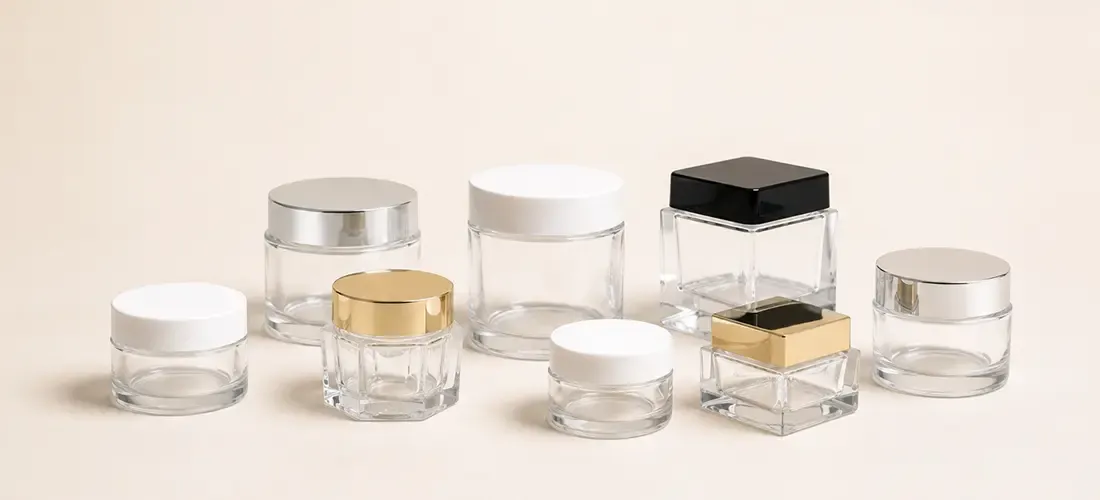
Glass has long been a trusted material in healthcare packaging due to its inert nature and strong barrier properties.
Advantages of Glass Packaging
- Non-reactive with formulations
- Excellent barrier to oxygen and moisture
- High transparency for product visibility
- Suitable for sterilisation
Common Applications
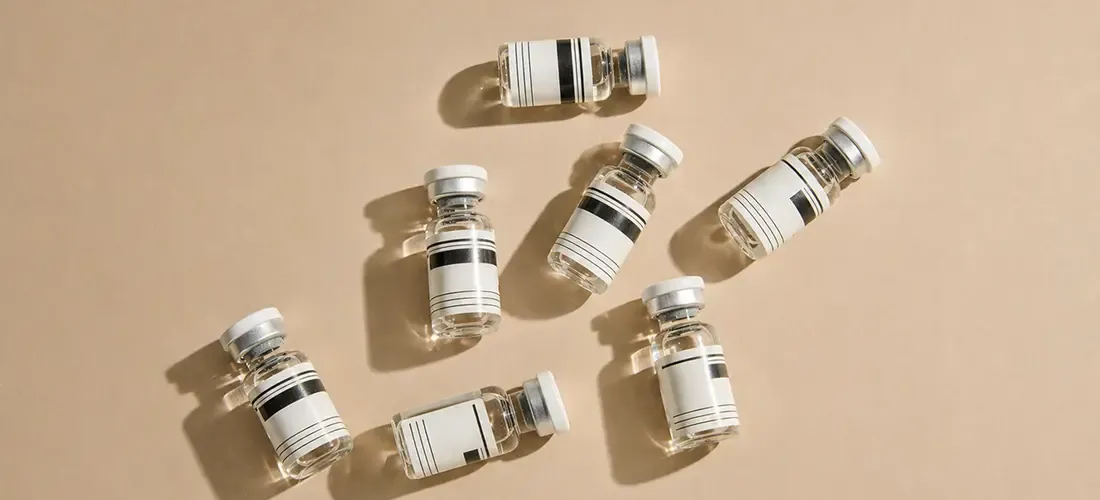
- Injectable drugs
- Vaccines
- Ampoules and vials
- High-value liquid medications
Glass is often used when product stability is critical, especially for sensitive formulations.
4. Comparing HDPE Bottles, Plastics, and Glass
Each material offers distinct benefits depending on the application.
HDPE Bottle vs Glass
- HDPE bottles are lightweight and shatter-resistant
- Glass offers superior chemical inertness and premium perception
HDPE Bottle vs PET
- HDPE bottles provide better chemical resistance
- PET offers higher clarity and is often used for visual appeal
Plastic vs Glass
- Plastics are cost-effective and scalable
- Glass provides higher barrier protection but at increased cost and weight
For many applications, the hdpe bottle offers the best balance between durability, cost, and performance.
5. Regulatory Considerations in Healthcare Packaging
Healthcare packaging materials must comply with strict regulatory frameworks to ensure patient safety.
Key Requirements Include
- Use of food-grade or medical-grade materials
- Tamper-evident packaging
- Child-resistant closures
- Labelling compliance and traceability
Materials like HDPE are widely accepted because they meet regulatory standards when manufactured correctly.
6. Sustainability in Healthcare Packaging
Sustainability is becoming increasingly important in healthcare packaging decisions.
Sustainable Practices Include
- Using recyclable materials such as HDPE
- Incorporating post-consumer recycled (PCR) content
- Reducing material usage through lightweight design
- Designing for recyclability
The hdpe bottle supports many of these initiatives due to its recyclability and widespread acceptance in recycling systems.
7. How to Choose the Right Material for Healthcare Packaging?
Selecting the right material requires a strategic approach.
1. Product Sensitivity
Determine how the product reacts to light, moisture, and oxygen.
2. Regulatory Requirements
Ensure the material complies with relevant healthcare standards.
3. Supply Chain Needs
Consider transportation, storage, and handling conditions.
4. Cost and Scalability
Evaluate long-term production and logistics costs.
5. Sustainability Goals
Align packaging choices with environmental commitments. Working with experienced packaging partners ensures these factors are addressed effectively.
How Casepak Supports Healthcare Packaging Solutions?
At Casepak, we understand the complexity of healthcare packaging. Our expertise allows us to provide reliable solutions tailored to industry requirements.
We support businesses with:
- High-quality plastic and HDPE bottle packaging
- Material selection guidance
- Custom packaging solutions
- Scalable manufacturing capabilities
- Sustainable packaging strategies
Our goal is to deliver healthcare packaging that ensures safety, compliance, and operational efficiency.
Conclusion
Material selection is a critical aspect of healthcare packaging, influencing product safety, regulatory compliance, and operational efficiency. Plastics, glass, and the hdpe bottle each offer unique advantages depending on the application.
For many healthcare products, the hdpe bottle provides the ideal balance of durability, protection, and scalability. When combined with thoughtful design and regulatory compliance, it becomes a reliable solution for modern healthcare packaging needs.
By partnering with experienced providers like Casepak, businesses can ensure their packaging meets both current demands and future challenges in an evolving healthcare landscape.
Frequently Asked Questions (FAQs)
1. What is healthcare packaging?
Healthcare packaging refers to packaging solutions used for pharmaceuticals, medical devices, and related products to ensure safety, sterility, and compliance.
2. Why is the HDPE bottle widely used in healthcare packaging?
The hdpe bottle offers durability, chemical resistance, moisture protection, and cost efficiency, making it ideal for a wide range of healthcare products.
3. Is plastic safe for healthcare packaging?
Yes, when medical-grade plastics are used and comply with regulatory standards, plastic packaging is safe and widely approved.
4. When is glass preferred over HDPE bottles?
Glass is preferred for highly sensitive formulations, such as injectables, where maximum chemical inertness is required.
5. Are HDPE bottles recyclable?
Yes, HDPE bottles are widely recyclable and support sustainability initiatives in healthcare packaging.