Running a modern business comes with many responsibilities, and sustainability has quickly moved to the top of that list. Today’s customers don’t just appreciate eco-friendly choices; they expect them. Packaging is one of the easiest and most visible places to start. Every box, wrap, label, and filler you send out tells people something about your brand. And when that packaging is thoughtful, responsible, and kind to the planet, it sends the right message.
As a packaging solutions provider, we work with brands that want to do better, not because it’s trending, but because it’s the right thing to do. Sustainable packaging doesn’t have to be complicated or expensive. When chosen smartly, it can actually reduce waste, improve efficiency, and strengthen your reputation.
Below, we break down some practical, eco-friendly packaging solutions that businesses can start using right away, along with how each one can benefit your operations and your customers.
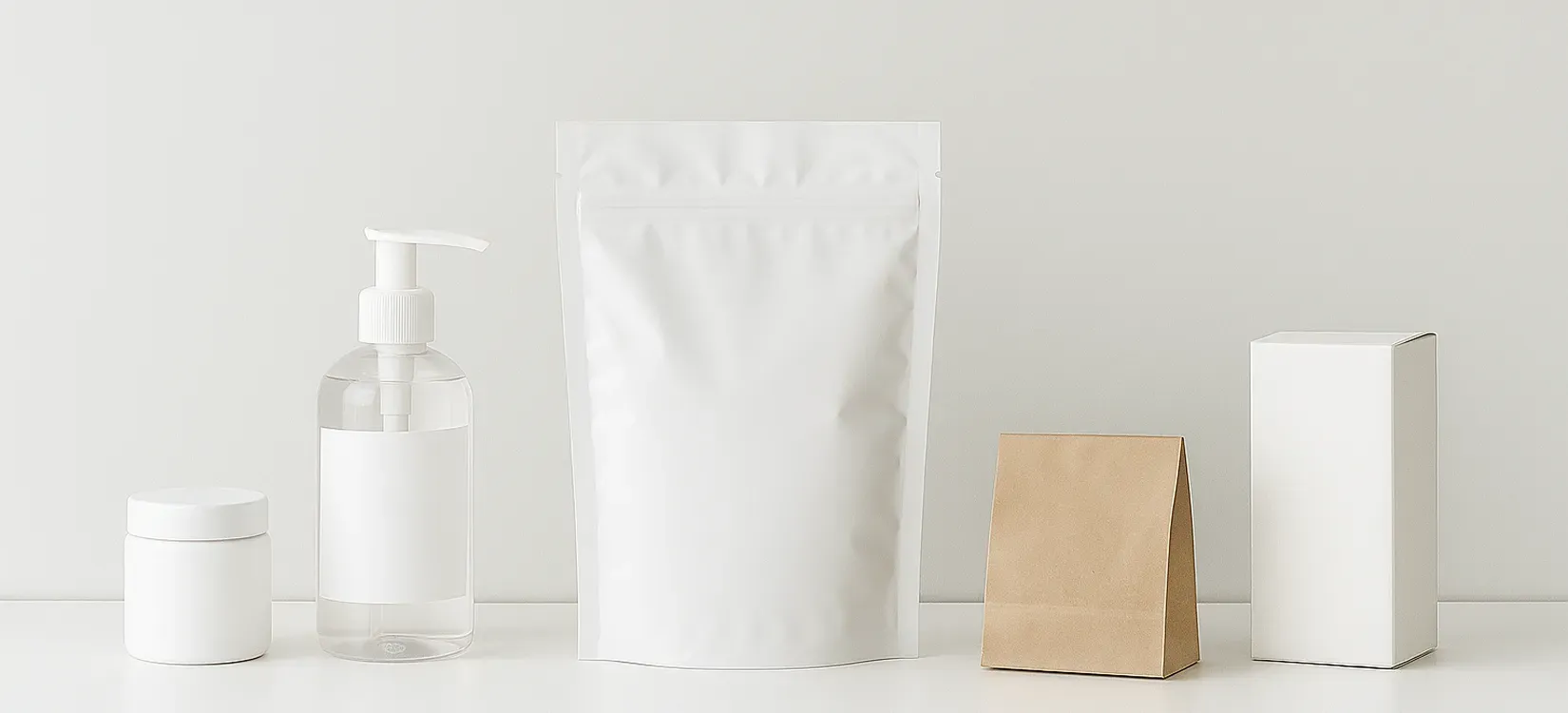
1. Recyclable Packaging Materials
Recyclable materials are one of the simplest eco-friendly switches a brand can make, mostly because they fit naturally into existing processes. Cardboard boxes, paper mailers, paper tapes, and corrugated sheets are widely recognized and easily accepted in recycling programs around the world.
What makes recyclable packaging powerful is its familiarity. Customers understand it, trust it, and know exactly what to do with it after unboxing. There’s no confusion, no extra instructions just straightforward, responsible disposal. On the business side, recyclable packaging tends to be readily available, cost-friendly, and adaptable to different product sizes and weight categories.
When you use recyclable packaging, you also show your customers that your sustainability promise is not just a marketing claim it’s a part of your everyday operations. It’s a simple shift, but it builds trust and reinforces your brand’s commitment to doing better for the planet.

2. Biodegradable & Compostable Options
Biodegradable and compostable materials have quickly become favorites among brands that want packaging to return to nature without leaving harmful traces behind. These materials break down over time, turning into natural elements instead of adding to long-term landfill waste.
Options like cornstarch packaging, bagasse trays, mushroom packaging, and compostable fillers offer strong protection while keeping your sustainability goals on track. They are especially useful for businesses that ship food products, personal care items, or anything that benefits from a “clean and natural” brand image.
Using biodegradable solutions also helps your brand appeal to conscious consumers who prefer low-impact choices. When people unbox something from your brand and notice compostable packaging, it subtly tells them that you care about the same things they do — quality, responsibility, and long-term environmental wellbeing.
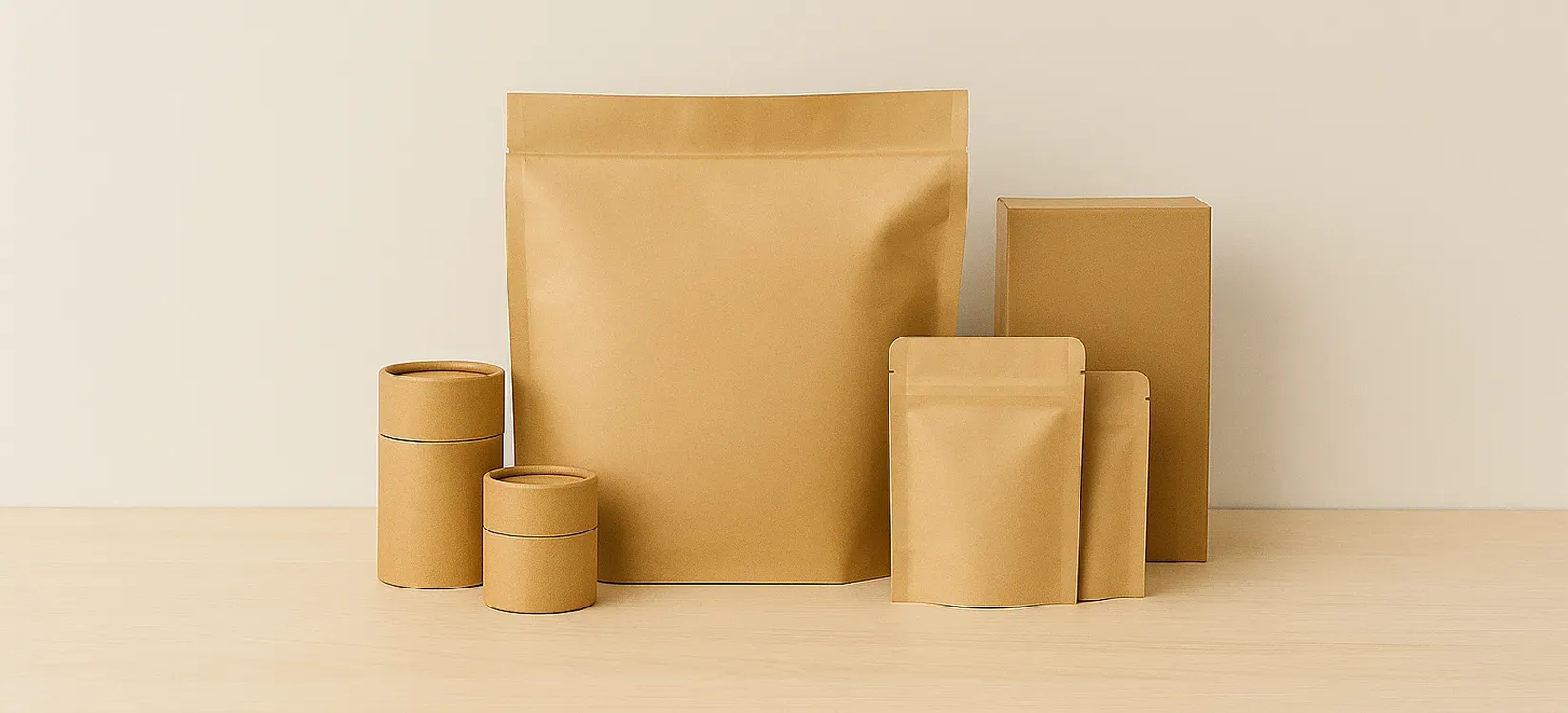
3. Reusable Packaging for Multiple Cycles
While many businesses focus on single-use materials, reusable packaging takes sustainability a step further. This type of packaging is designed to last multiple rounds of shipping, storing, or customer use. It’s strong, durable, and far more cost-effective over time.
Think of reusable totes, fabric pouches, sturdy containers, and premium boxes that customers can repurpose for storage. For e-commerce returns, reusable mailers work especially well because the same packaging can go back and forth instead of being thrown away after one use.
Brands that adopt reusable packaging often see stronger customer loyalty because people genuinely appreciate receiving packaging that feels purposeful and long-lasting. It blends sustainability with a better customer experience, which reflects positively on your brand’s values and attention to detail.

4. Minimalist Packaging for Reduced Waste
Sometimes, the most eco-friendly choice is simply using less. Minimalist packaging focuses on reducing excess layers, replacing unnecessary fillers, and keeping the unboxing process clean, simple, and responsible.
This doesn’t mean compromising on product safety. Instead, it means designing packaging that is efficient, compact, and made only from what’s truly needed. Whether you’re shipping small accessories or large items, there are smart ways to cut down on material use without affecting the product inside.
Minimalist packaging also aligns with modern preferences. Today’s buyers appreciate simplicity they want packaging that’s neat, practical, and environmentally thoughtful. When your brand avoids overpackaging, you’re not only reducing waste but also presenting yourself as a business that values clarity, efficiency, and respect for the environment.
5. Water-Based & Natural Inks
Something as small as the ink you print with can make a big difference in sustainability. Traditional inks often contain chemicals that make recycling more difficult. In contrast, water-based and natural inks are safer, cleaner, and easier for recycling facilities to process.
They’re perfect for printing brand messages, logos, instructions, or design elements without affecting the recyclability of your packaging. And the best part? These inks don’t compromise on quality. They produce sharp, vibrant results that enhance your packaging’s overall look.
Using eco-friendly inks also brings a subtle but meaningful touch to your sustainability efforts. It shows customers that you pay attention to details, even the smallest ones, and that your commitment to greener practices is thorough and genuine.
Making the Right Sustainable Choice for Your Brand
Sustainable packaging isn’t one-size-fits-all. Every business has different needs, product types, shipping conditions, marketing goals, budgets, and customer expectations. Our role is to help brands find practical solutions that balance all of these factors while still moving closer to a greener, more responsible future.
Eco-friendly packaging is not only better for the environment; it adds real value to your brand. It strengthens trust, improves customer experience, reduces waste, and positions your business as a responsible leader in a conscious marketplace.
If you’re ready to make your packaging more sustainable, whether through recyclable materials, compostable solutions, reusables, or a complete redesign, we’re here to guide you through every step.