In a packaging landscape driven by performance, compliance, and sustainability, few materials have proven as versatile and dependable as HDPE. From FMCG to pharmaceuticals, HDPE packaging has become a preferred choice for brands that require durability, efficiency, and long-term cost control without compromising on quality or safety.
But what exactly makes HDPE packaging so widely adopted and why is it considered a foundational material across industries?
This article explores what HDPE packaging is, why it matters, and how businesses can leverage HDPE bottle packaging to achieve operational, branding, and sustainability goals at scale.
What Is HDPE Packaging?
HDPE packaging refers to packaging solutions made from High-Density Polyethylene, a thermoplastic polymer known for its high strength-to-density ratio. It is produced from petroleum and is classified under resin identification code #2, making it one of the most widely recycled plastics globally.
HDPE is valued for its rigidity, impact resistance, chemical stability, and ability to perform consistently across a wide range of environments. These properties make HDPE packaging suitable for products that require both protection and long shelf life.
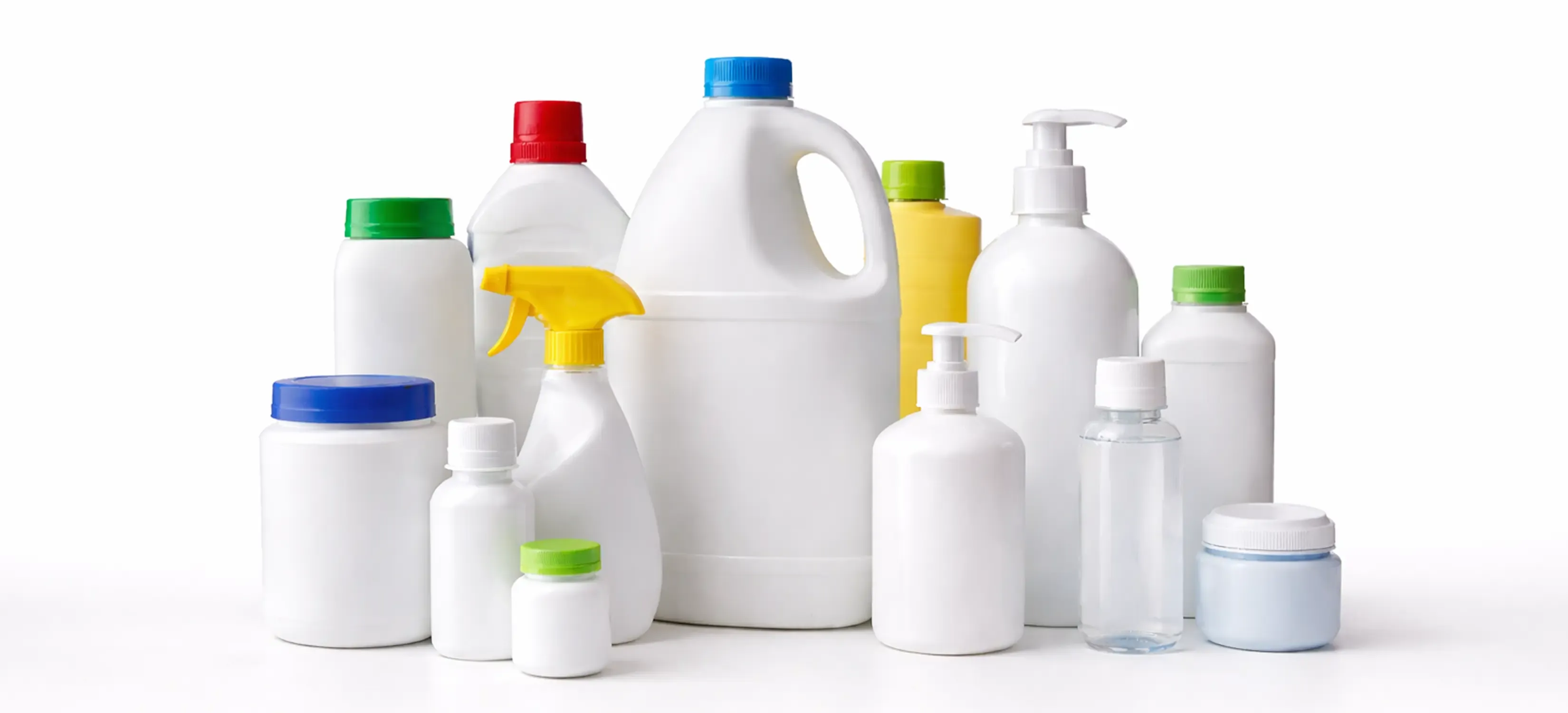
In practical terms, HDPE packaging is commonly used for:
- Bottles
- Containers
- Jerry cans
- Drums
- Caps and closures
For brands managing high-volume production, HDPE packaging offers reliability at scale.
Why HDPE Packaging Dominates Multiple Industries
HDPE packaging is not limited to one sector. Its adaptability has made it a cross-industry standard.
1. Strength Without Excess Weight
One of the defining advantages of HDPE packaging is its exceptional strength while remaining lightweight. This allows businesses to:
- Reduce shipping costs
- Improve pallet efficiency
- Lower carbon emissions during transportation
HDPE bottle packaging, in particular, offers structural integrity without the fragility associated with glass or the material intensity of metal.
2. Excellent Chemical Resistance
HDPE packaging is highly resistant to acids, alcohols, detergents, and many solvents. This makes it ideal for products such as:
- Cleaning chemicals
- Industrial fluids
- Cosmetics and personal care formulations
- Pharmaceuticals
For manufacturers, this resistance minimises the risk of material interaction, leakage, or contamination, critical factors in regulated industries.
3. Consistency in High-Speed Manufacturing
HDPE packaging is compatible with high-speed filling lines and automated production systems. Its predictable moulding behaviour ensures:
- Consistent wall thickness
- Reliable sealing
- Minimal production downtime
For B2B buyers, this consistency translates directly into operational efficiency and reduced wastage.
HDPE Bottle Packaging: A Strategic Choice for Brands
HDPE bottle packaging is one of the most widely used formats within HDPE applications. Its flexibility in design and performance makes it suitable for both mass-market and premium products.
Common Applications of HDPE Bottle Packaging
- Shampoo and conditioner bottles
- Body lotions and creams
- Household cleaners
- Pharmaceutical syrups
- Food-grade liquids such as milk and juices
HDPE bottle packaging can be manufactured in a variety of shapes, sizes, and colours, allowing brands to balance functionality with visual differentiation.
Design Flexibility Without Compromising Performance
Unlike many rigid materials, HDPE allows for:
- Custom bottle shapes
- Integrated grip features
- Matte or textured finishes
- Opaque or translucent appearances
This flexibility enables brands to create distinctive packaging while maintaining the mechanical strength required for logistics and retail handling.
Compatibility With Closures and Dispensing Systems
HDPE bottle packaging works seamlessly with:
- Flip-top caps
- Pumps
- Trigger sprays
- Screw closures
This makes it suitable for a wide range of user experiences, from controlled dispensing to bulk usage.