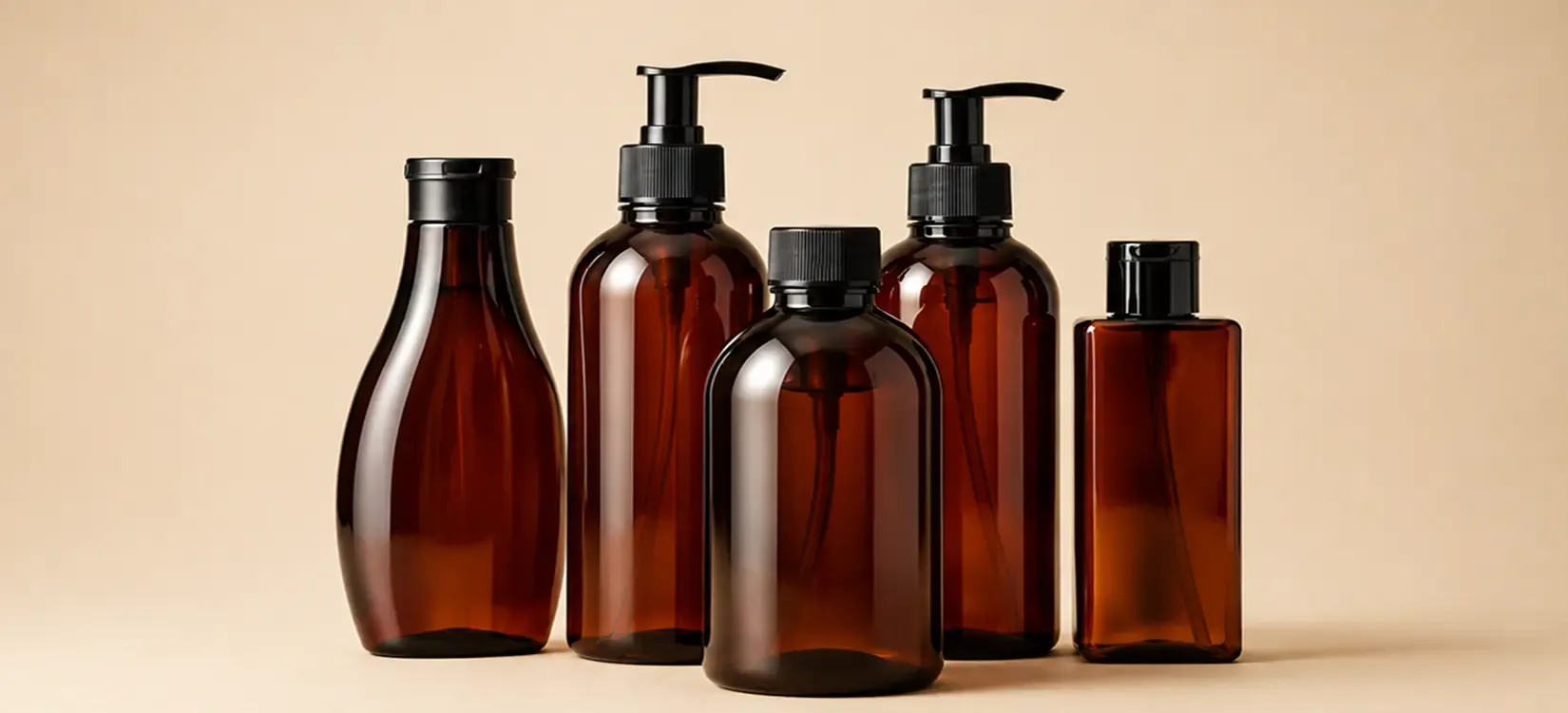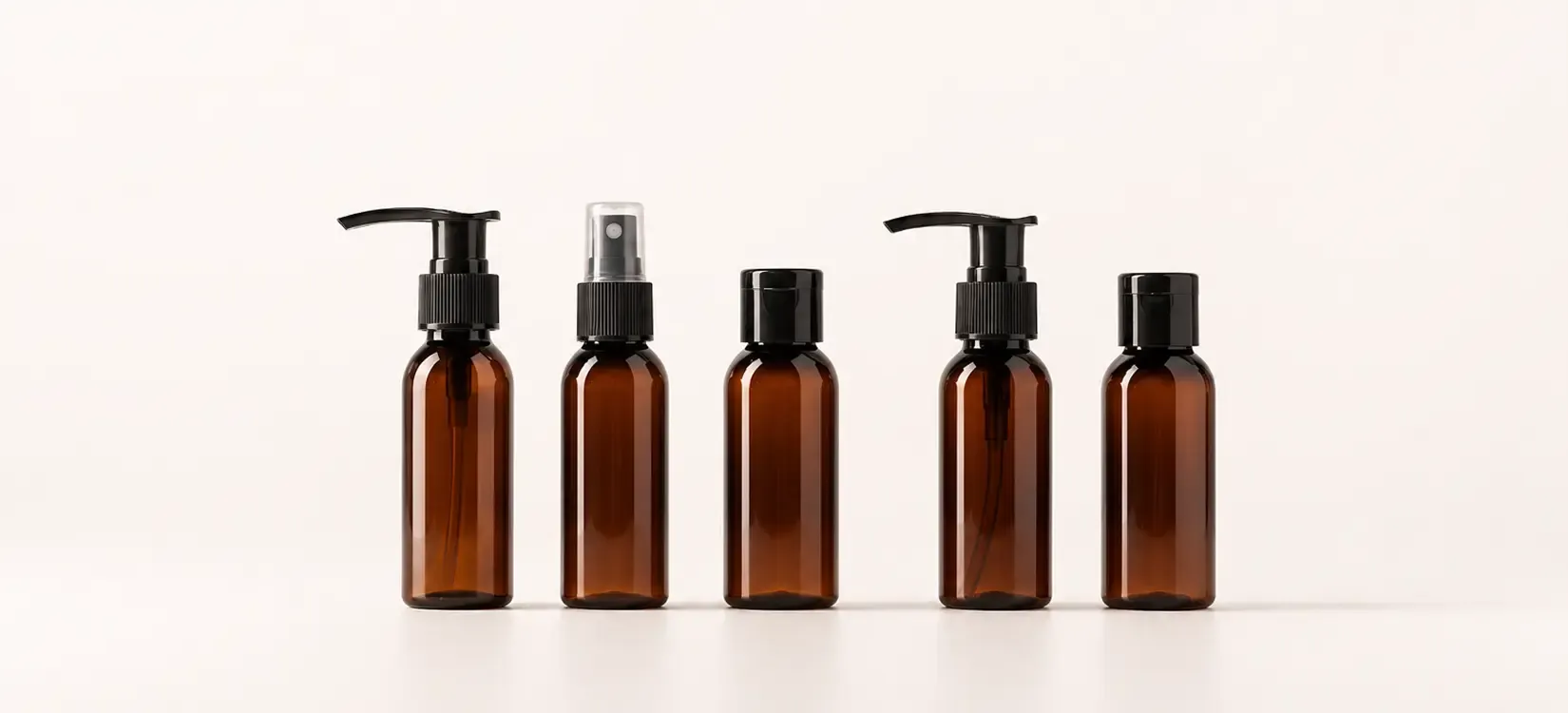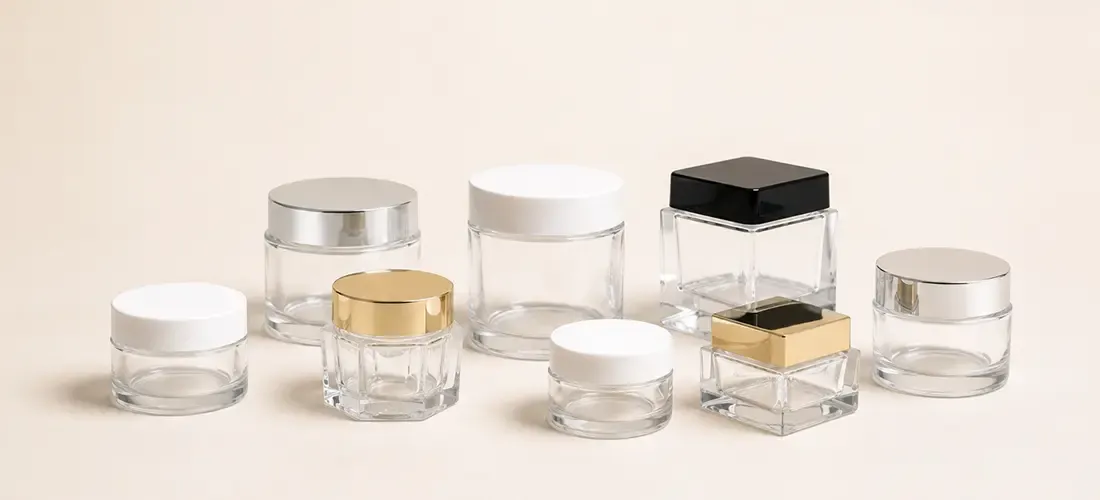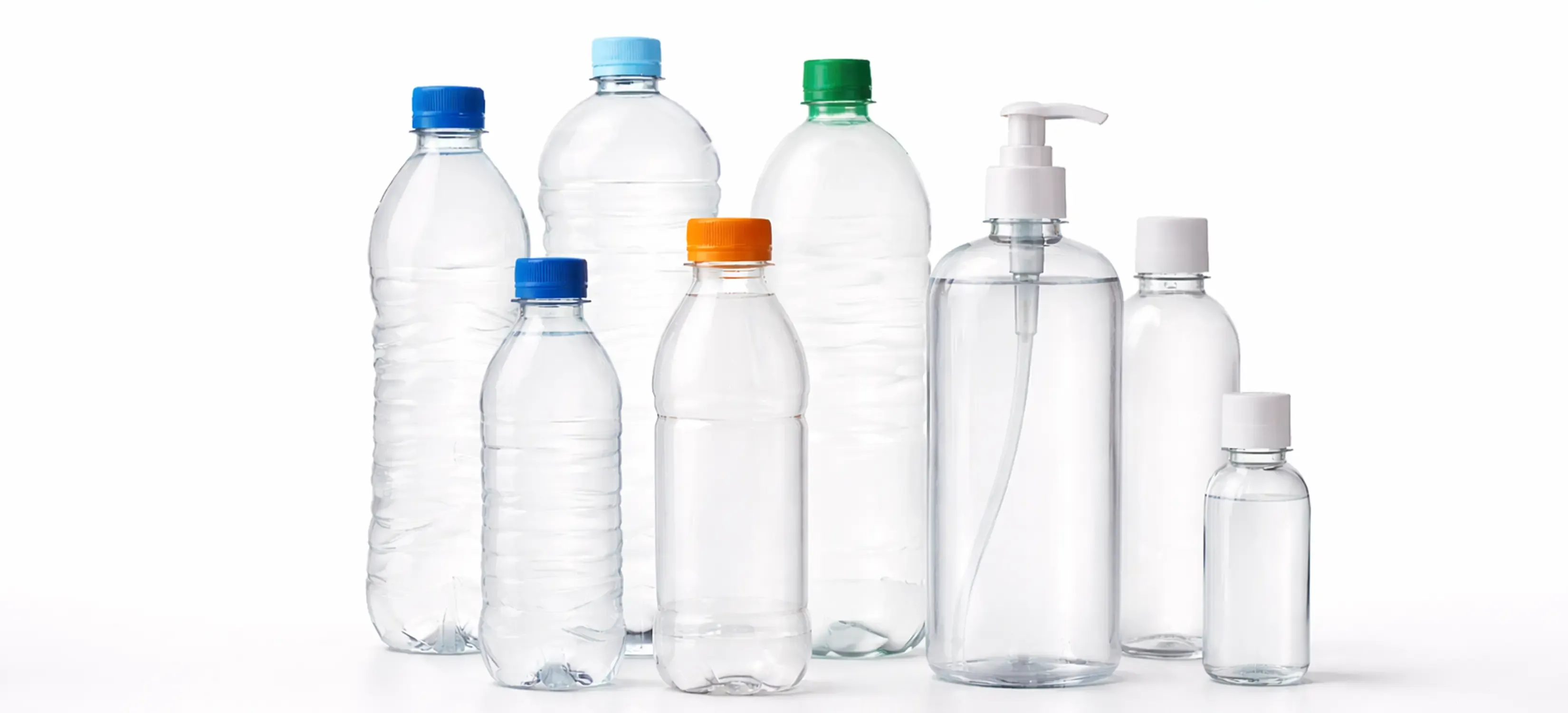
Packaging decisions today are no longer driven by cost alone. Performance, sustainability, shelf appeal, and supply chain efficiency all play a critical role, especially for brands operating at scale. Among the many materials available, PET packaging has emerged as one of the most widely used and commercially trusted solutions in global markets.
From beverages and food to personal care and pharmaceuticals, PET continues to set the standard for plastic bottle packaging. But what exactly is PET packaging, and why has it become so integral to modern manufacturing?
This guide breaks down what PET packaging is, its key advantages, applications, and why it remains a strategic choice for brands seeking efficiency, visibility, and scalability.
What Is PET Packaging?
PET packaging refers to packaging made from Polyethylene Terephthalate (PET), a lightweight, durable thermoplastic polymer. It is most commonly associated with plastic bottle packaging, particularly for beverages, but its applications extend far beyond that.
PET is classified under resin identification code #1 and is widely accepted in recycling systems worldwide. Its clarity, strength, and barrier properties make it especially suitable for products that require visibility, hygiene, and long shelf life.
In commercial packaging environments, PET packaging is commonly used for:
- Bottles
- Jars
- Containers
- Food trays
- Clamshell packaging
- However, plastic bottle packaging remains PET’s most dominant and recognisable application.
Why PET Packaging Is So Widely Used
PET packaging has become the material of choice across industries due to a unique combination of functional and commercial advantages.
1. Exceptional Clarity and Shelf Appeal
One of PET’s most defining characteristics is its glass-like transparency. PET packaging allows consumers to clearly see the product inside, which builds trust and enhances perceived freshness and quality.
For plastic bottle packaging, this clarity is especially valuable in categories such as:
- Beverages
- Edible oils
- Nutritional drinks
- Personal care liquids
Visibility plays a direct role in influencing purchase decisions, making PET packaging a powerful tool for retail performance.
2. Lightweight Yet Highly Durable
PET packaging offers an excellent strength-to-weight ratio. Compared to glass, PET is significantly lighter while still maintaining impact resistance. This results in:
- Lower transportation costs
- Improved handling safety
- Reduced breakage
- Better pallet efficiency
For brands operating high-volume distribution networks, lightweight plastic bottle packaging can deliver substantial logistical savings.
3. Strong Barrier Properties
PET packaging provides effective barriers against moisture, oxygen, and carbon dioxide. These properties are essential for preserving product freshness and extending shelf life.
This is why PET is the standard material for:
- Carbonated beverages
- Juices and flavoured drinks
- Condiments and sauces
In plastic bottle packaging, PET helps maintain taste integrity while supporting long-term storage and distribution.
Plastic Bottle Packaging: PET’s Core Application
Plastic bottle packaging represents the most common and commercially significant use of PET packaging.
Industries That Rely on PET Bottle Packaging
Beverage (water, soft drinks, juices, sports drinks)
Food (oils, sauces, dressings)
Personal care (shampoos, body washes)
Pharmaceuticals (syrups, supplements)
Household products (cleaners, disinfectants)
PET’s versatility allows brands to produce bottles in a wide range of sizes, shapes, and finishes without compromising performance.
Design Flexibility for Brand Differentiation
PET packaging supports extensive design customisation, including:
- Custom bottle shapes
- Embossing and debossing
- Smooth or textured finishes
- Clear, tinted, or coloured bottles
This flexibility allows plastic bottle packaging to become a strong brand asset rather than just a functional container.
Compatibility With High-Speed Manufacturing
PET packaging is optimised for high-speed, automated production environments. It works seamlessly with:
- Blow moulding processes
- Fast filling and capping lines
- Labelling and sleeving systems
For manufacturers, this compatibility ensures consistent quality, reduced downtime, and scalable production.
PET Packaging and Sustainability
Sustainability is a critical consideration in modern packaging strategies, and PET packaging plays a central role in circular economy models.
1. Highly Recyclable Material
PET is one of the most recycled plastics globally. PET packaging can be collected, cleaned, and reprocessed into new bottles or other products.
Plastic bottle packaging made from PET is widely accepted in curbside recycling systems, making it a practical choice for brands focused on recyclability.
2. rPET Integration
Recycled PET (rPET) is increasingly used in PET packaging without compromising performance. Brands can incorporate high percentages of rPET to:
- Reduce virgin plastic usage
- Lower carbon footprint
- Meet regulatory and sustainability targets
rPET is particularly effective in plastic bottle packaging for beverages and personal care products.
3. Lightweighting and Material Reduction
Advancements in PET engineering allow for thinner walls while maintaining strength. Lightweight PET packaging helps:
- Reduce material consumption
- Improve transportation efficiency
- Lower overall environmental impact
For large-scale operations, these improvements deliver both sustainability and cost benefits.
PET Packaging vs Other Plastic Materials
Understanding PET packaging is easier when compared with other commonly used plastics.
PET vs HDPE
- PET offers superior clarity
- HDPE provides higher chemical resistance
- PET is preferred for beverages and food visibility
- HDPE is often chosen for opaque or chemical-heavy products
PET vs PP
- PET has better gas barrier properties
- PP offers higher heat resistance
- PET is better suited for cold-fill and carbonated products
These differences help brands select the right material based on product formulation and market requirements.
The Future of PET Packaging
PET packaging continues to evolve alongside changing market demands. Future developments include:
- Higher rPET content integration
- Improved recycling technologies
- Enhanced barrier coatings
- Refillable PET systems
Plastic bottle packaging made from PET is expected to remain a dominant solution due to its balance of performance, cost efficiency, and sustainability.
Conclusion
PET packaging has earned its position as one of the most reliable and widely used packaging materials in the world. Its clarity, durability, recyclability, and adaptability make it the backbone of plastic bottle packaging across industries.
For brands seeking scalable solutions that support both shelf presence and supply chain efficiency, PET packaging delivers measurable commercial value. When designed thoughtfully and manufactured responsibly, it becomes more than just a container—it becomes a strategic asset.
At Casepak, we help brands develop PET packaging solutions that meet performance requirements while aligning with branding and sustainability goals. From standard plastic bottle packaging to custom PET designs, the right approach can drive long-term growth in competitive markets.